




























How To Choose Winter Tires for Cars in Canada
Winter in Canada brings harsh road conditions, making it essential for drivers to equip their vehicles with the right winter tires. Choosing the best winter tires ensures safety, improved handling, and better traction on icy and snow-covered roads.
This guide will help you understand why Canadian tire winter tires are necessary, how they compare to all-season tires, and what to consider when buying winter tires for cars.
Why Do You Need Canadian Tire Winter Tires?
Canada's long and severe winters demand specialized tires designed to handle snow, slush, and ice. TRAC Canada reported that in 1998, only 35% of Canadian drivers used winter tires, but by 2022, that number had doubled to 70%, with 63% usage outside Quebec, where winter tires are mandatory.
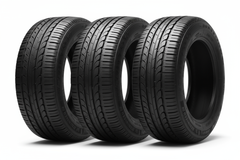
Canadian tire winter tires are engineered with unique rubber compounds and tread patterns that provide superior grip and stability in cold conditions. Unlike all-season tires, winter tires remain flexible even in sub-zero temperatures, allowing for better control and shorter braking distances.
Are Winter Tires The Same As Snow Tires?
The terms "winter tires" and "snow tires" are often used interchangeably, but there is a slight difference between them. In the past, "snow tires" referred to tires specifically designed for deep snow and slushy conditions, whereas "winter tires" are engineered for a wider range of cold-weather conditions, including ice, snow, and dry, cool pavement.
MTX Performance you can get all types of Canadian tire for sale. Check out their latest collection of winter, summer, and modern tires.
Modern winter tires incorporate advanced technology, making them effective across all winter driving scenarios. So, when you hear "snow tires," they are essentially a type of winter tire designed for better performance in snowy conditions.

Why Switch From Summer Tires To Winter Tires in Winter?
Summer tires are designed for warm weather conditions and provide optimal performance on dry and wet summer roads. However, as temperatures drop below 7°C, summer tires lose their flexibility, resulting in reduced control and longer stopping distances. Here’s why switching to winter tires is crucial:
-
Better Grip on Ice and Snow: Winter tires have deeper treads and siping patterns that improve grip on slippery surfaces.
-
Improved Braking Performance: The softer rubber compound in winter tires allows for shorter braking distances compared to summer tires.
-
Enhanced Safety: With superior control and handling, winter tires reduce the risk of skidding and accidents in freezing conditions.
-
Legal Compliance: In some provinces, using winter tires is required by law during winter months.
How to Recognize Winter Tires?
With so many tire options available, it’s essential for consumers to know what they are buying and whether the tires meet the right standards for winter driving.
Winter tires, also known as snow tires, can be easily identified by the Three-Peak Mountain Snowflake (3PMSF) symbol, also called the Alpine symbol. This marking, found on the tire sidewall, indicates that the tire meets or exceeds minimum industry snow traction requirements and winter tire standards set by Transport Canada.
The 3PMSF symbol ensures that the tire is designed for superior performance in severe winter conditions, providing enhanced grip on ice and snow-covered roads.

It’s important to note the difference between winter, all-season, and all-weather tires. All-season and all-weather tires typically have the “M+S” (Mud & Snow) symbol on the sidewall, signifying their ability to handle mild winter conditions.
However, all-weather tires that feature both the 3PMSF symbol and the M+S marking offer greater versatility, performing well in light snow while remaining suitable for year-round driving. When selecting winter tires, checking for the Alpine symbol is crucial to ensure optimal safety and traction during harsh winter months.
All-Season Tires Vs. Winter Tires
Many drivers wonder whether all-season tires can handle winter conditions. While all-season tires perform well in mild weather, they do not offer the same level of grip and safety as dedicated winter tires.

According to a survey by TRAC Canada in 2022, around 76% of drivers say winter tires have helped them avoid hazardous situations, while in Quebec, 81% believe winter tires have prevented collisions…
However, you might be confused to choose between them. Here’s a comparison to help you choose the best to fit your needs:
|
Features |
Winter Tire |
All Season Tire |
|
Rubber Compound |
Soft, remains flexible |
Hardens in cold weather |
|
Tread Design |
Deep grooves for snow grip |
Shallower grooves |
|
Performance on Ice |
Superior braking & handling |
Longer stopping distance |
|
Temperature Range |
Best below 7°C |
Suitable for mild winters |
For Canadian winters, it is highly recommended to invest in winter tires for cars rather than relying on all-season options.
Pros of Canadian Winter Tires
-
Improved Traction: Designed to grip icy and snowy roads better.
-
Shorter Braking Distance: Reduces the risk of accidents by allowing quicker stops.
-
Enhanced Control: Provides better handling and stability in extreme weather.
-
Compliance with Winter Tire Laws: Some Canadian provinces mandate winter tire use.
Cons of Canadian Winter Tires
-
Higher Cost: Quality winter tires come at a premium price.
-
Seasonal Tire Change Needed: Must be switched out for summer or all-season tires.
-
Additional Storage Requirement: A spare set of tires requires storage space.
Which Tires Are Best for Winter in Canada?
The best winter tires depend on your driving conditions, vehicle type, and budget. Some of the top-rated options include:
-
Michelin X-Ice Snow – Excellent for icy roads and long tread life.
-
Bridgestone Blizzak WS90 – Great for snow traction and stopping power.
-
Goodyear WinterCommand Ultra – Balanced performance for city and highway driving.
-
Pirelli Ice Zero FR – Designed for extreme cold conditions.
How to Pick the Best Winter Tires for Your Car?
When selecting winter tires, consider the following factors:
-
Tire Size: Check your car's manual for the correct size.
-
Tread Pattern: Deep grooves and sipping enhance snow traction.
-
Rubber Compound: Softer rubber ensures flexibility in cold temperatures.
-
Tire Ratings: Look for the three-peak mountain snowflake symbol, which signifies superior winter performance.
-
Winter Tires with Rims Price: Some options come with rims, which can make seasonal changes easier and more cost-effective in the long run.
What Are the Requirements for Winter Tires in Canada?
Certain provinces have regulations requiring winter tires during specific months:
-
Quebec: Mandatory from December 1 to March 15.
-
British Columbia: Required on designated highways from October 1 to April 30.
-
Ontario: Not mandatory but recommended; insurance discounts may apply.
Always check your provincial guidelines to ensure compliance.
What Is the 7-Degree Rule for Winter Tires?
The 7-degree rule states that when temperatures drop below 7°C, all-season tires begin to harden, reducing grip and increasing braking distance. This is the optimal time to switch to winter tires to ensure safety and performance.
Where to Buy Canadian Tire Winter Tires?
You can find high-quality winter tires at your nearest car part store or online. Look for Canadian Tire for sale promotions to get the best deals on premium brands. If you prefer shopping online, check out trusted sources for auto parts online in Canada or explore performance options from MTX performance. You can also find aftermarket performance car parts for enhanced vehicle performance.
Final Thoughts
Investing in winter tires is essential for driving safely during Canadian winters. Consider your driving needs, budget, and regional regulations when selecting the right set. Whether you're looking for winter tires with rims price comparisons or searching for reliable brands, making an informed choice will keep you safe on the road all season.